What you'll learn
An MLIS (Master of Library and Information Science) course is a postgraduate degree focusing on organizing, managing, and retrieving information in both traditional and digital formats, teaching advanced skills for roles like librarians, archivists, or information architects in libraries, schools, or corporate settings, typically requiring a Bachelor's degree (often BLISc) for admission. The 1-2 year program covers areas like cataloging, digital libraries, information technology, research, and management, with options for on-campus, online, or distance learning.
Key Aspects of the MLIS Course:
- Full Form: Master of Library and Information Science (M.Lib.I.Sc).
- Duration: Usually 1-2 years, often split into four semesters.
- Eligibility: A Bachelor's degree (B.Lib.I.Sc is common) with 45-60% marks, varying by university and category (General/OBC/SC/ST).
- Syllabus: Includes library management, information organization, digital libraries, research methods, cataloging, and IT applications.
- Learning Modes: Full-time, part-time, distance learning, or online.
- Career Paths: Librarian, Archivist, Information Architect, Digital Resource Manager, Records Manager, Information Analyst.
- Top Recruiters: Educational Institutions, Public Libraries, Government Offices, Museums.
How to Enroll:
- Check Eligibility: Ensure you meet the marks and degree requirements.
- Choose a University: Consider options like Delhi University (DU SOL), IGNOU, TISS, or LPU.
- Application: Apply online or offline through the university portal.
- Entrance/Merit: Admission is often via entrance exams (like CUET PG for DU) or based on your Bachelor's percentage.
एमएलआईएस (मास्टर ऑफ लाइब्रेरी एंड इंफॉर्मेशन साइंस) एक साल का मास्टर डिग्री कोर्स है जो पुस्तकालय और सूचना विज्ञान के सिद्धांतों और प्रथाओं पर केंद्रित है। इस कोर्स में कैटलॉगिंग, सूचना संगठन, डिजिटल पुस्तकालय और डेटाबेस प्रबंधन जैसे विषय शामिल हैं। यह कोर्स उन पेशेवरों को तैयार करता है जो पुस्तकालय और सूचना केंद्रों में वरिष्ठ पदों के लिए आवश्यक ज्ञान और कौशल प्राप्त करते हैं, और यह ऑनलाइन या नियमित मोड में उपलब्ध हो सकता है।
कोर्स का विवरण
- पूर्ण रूप: मास्टर ऑफ लाइब्रेरी एंड इंफॉर्मेशन साइंस (Master of Library and Information Science)
- अवधि: आमतौर पर एक वर्ष, हालांकि कुछ संस्थानों में यह दो साल का हो सकता है
- अध्ययन का क्षेत्र: पुस्तकालय और सूचना विज्ञान के उन्नत सिद्धांत और व्यवहार
- विषय:सूचना, संचार और समाज
- सूचना और सूचना सेवाएँ
- कैटलॉगिंग और वर्गीकरण
- डिजिटल पुस्तकालय
- डेटाबेस प्रबंधन
- सूचना प्रौद्योगिकी
- अनुसंधान के तरीके और सांख्यिकीय तकनीकें
शिक्षण और प्रशिक्षण
- शिक्षण विधियाँ: व्याख्यान, सेमिनार, कार्यशालाएं, समूह परियोजनाएं और व्यावहारिक अभ्यास शामिल हो सकते हैं।
- इंटर्नशिप: कई कोर्सों में व्यावहारिक अनुभव प्राप्त करने के लिए इंटर्नशिप या फील्डवर्क की आवश्यकता होती है।
- प्रारूप: यह कोर्स पारंपरिक ऑन-कैंपस कक्षाओं, ऑनलाइन या दोनों के संयोजन के रूप में पेश किया जाता है।
करियर की संभावनाएं
- यह कोर्स पुस्तकालय और सूचना केंद्रों में जूनियर और मिड-लेवल के पदों पर नियुक्ति के लिए पेशेवर तैयार करता है।
- अनुभव के साथ, उम्मीदवार उच्च पदों पर पहुँच सकते हैं।
- यह स्व-रोज़गार और यहां तक कि अपना स्टार्टअप शुरू करने के अवसर भी प्रदान कर सकता है।
Show More
Course Syllabus
बीएलआईएस (BLIS) कोर्स का हिंदी सिलेबस मुख्य रूप से पुस्तकालय, सूचना और समाज की मूल बातें, सूचना स्रोत और सेवाएं, पुस्तकालय प्रबंधन, सूचना प्रौद्योगिकी (IT), वर्गीकरण (Classification), सूचीकरण (Cataloguing), और सूचना पुनर्प्राप्ति (Information Retrieval) जैसे विषयों पर केंद्रित होता है, जिसमें IGNOU जैसे संस्थान थ्योरी और प्रैक्टिकल (जैसे LibreOffice का उपयोग करके टेबल और प्रेजेंटेशन बनाना) दोनों कराते हैं, ताकि छात्र डिजिटल और पारंपरिक पुस्तकालयों में काम कर सकें।
मुख्य विषय (Core Subjects):
- पुस्तकालय, सूचना और समाज (Library, Information and Society): पुस्तकालयों की भूमिका, समाज में उनका महत्व, पुस्तकालय कानून, और संघों (Associations) का अध्ययन।
- सूचना स्रोत और सेवाएं (Information Sources and Services): प्राथमिक, द्वितीयक और तृतीयक स्रोतों, डेटाबेस, और संदर्भ सेवाओं का ज्ञान।
- सूचना प्रौद्योगिकी की मूल बातें (Basics of Information Technology): कंप्यूटर, सॉफ्टवेयर, लाइब्रेरी ऑटोमेशन, और डिजिटल संसाधनों का परिचय।
- पुस्तकालय कैटलॉगिंग और क्लासिफिकेशन (Library Cataloguing & Classification): ज्ञान को व्यवस्थित करने के सिद्धांत और तकनीकें (जैसे Dewey Decimal Classification)।
- सूचना पुनर्प्राप्ति (Information Retrieval): उपयोगकर्ताओं की ज़रूरतों के अनुसार जानकारी खोजने की विधियाँ।
- पुस्तकालय प्रबंधन और संगठन (Library Management and Organization): पुस्तकालयों के प्रबंधन और संचालन का अध्ययन।
प्रैक्टिकल (Practical Component):
- इसमें कैटलॉगिंग, क्लासिफिकेशन, और IT एप्लीकेशन (जैसे LibreOffice Writer और Impress का उपयोग) का प्रैक्टिकल प्रशिक्षण शामिल है।
अन्य संबंधित विषय:
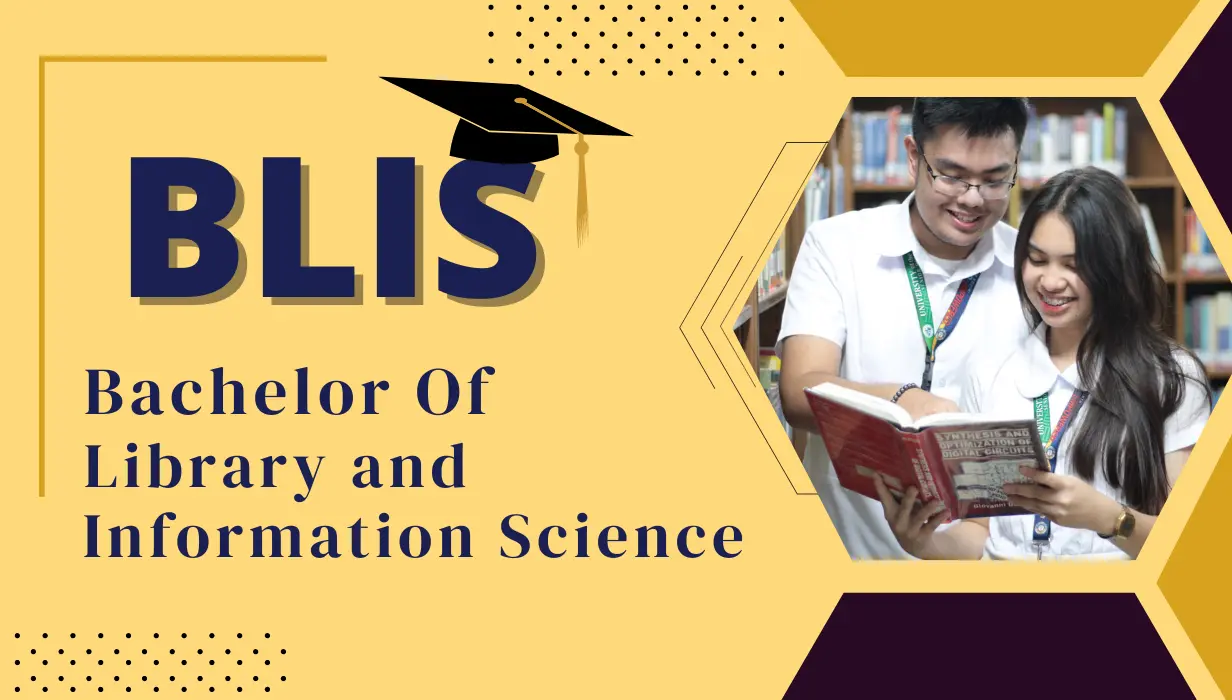
A BLIS (Bachelor of Library and Information Science) syllabus covers core subjects like Library Management, Information Technology in Libraries (IT), Cataloguing & Classification (DDC/CC), and Reference Services, alongside practical skills in managing collections, digital resources, and user support, often split into theory and practice components across semesters or years, focusing on organizing knowledge, managing centers, and providing user-centric services in the modern information age.
Core Subject Areas
- Library & Society: Foundations, types of libraries, and the Five Laws of Library Science.
- Library Management: Operations, finance, budgeting, staff, and strategic planning.
- Knowledge Organization: Theory and practice of Classification (DDC, CC) and Cataloguing (AACR/RDA).
- Information Technology: Library automation, digital libraries, database management, and IT applications.
- Reference & Information Services: User studies, information sources, and providing effective user support.
Typical Syllabus Structure (Semester-wise Example)
- Semester I: Library & Society, Classification Theory & Practice (DDC), Cataloguing Theory, IT Basics.
- Semester II: Library Management, Classification Practice (CC), Cataloguing Practice, Reference & Info Services, Documentation.
Key Topics Covered
- Classification: DDC, Colon Classification (CC), UDC, LCC.
- Cataloguing: Subject cataloguing, indexing, bibliographic control.
- Management: Collection development, circulation, periodicals, user education.
- IT: Library software, digital repositories, internet applications.
Practical Components
- Hands-on training in classification (DDC/CC) and cataloguing (using MARC/AACR).
- Library automation software usage.
- Project work or assignments related to information management.

 Bestseller